A visit to Canyon, California

“Canyon is an unincorporated community located near the border of Contra Costa and Alameda counties in California. It is situated between the cities of Oakland and Moraga in the San Francisco Bay Area. The community is named for its location in the upper canyon of San Leandro Creek, along the eastern slope of the Berkeley Hills. Canyon lies at an elevation of 1138 feet (347 m).

“The community is mainly traversed by Pinehurst Road and Canyon Road. The homes of the community are nestled amongst the steep, narrow private roads and footpaths that extend from the redwood groves and ferns along the creek, through the mixed live oak, bay, and madrone forests on the steep hillsides, up to the chaparral and knobcone pines that grow along the ridge.”

Canyon, California
https://en.wikipedia.org/wiki/Canyon,_California

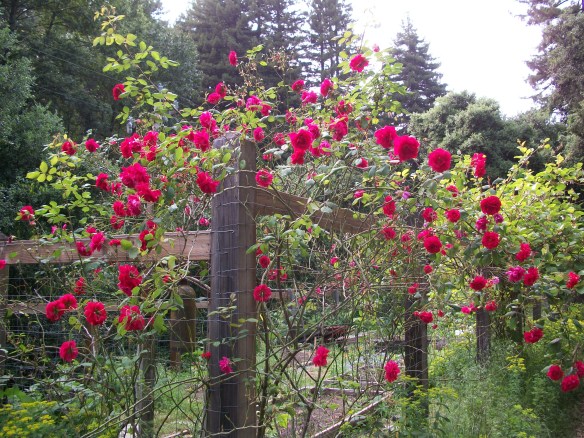
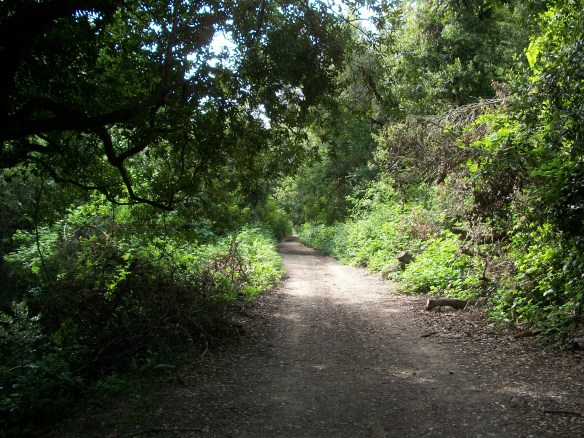
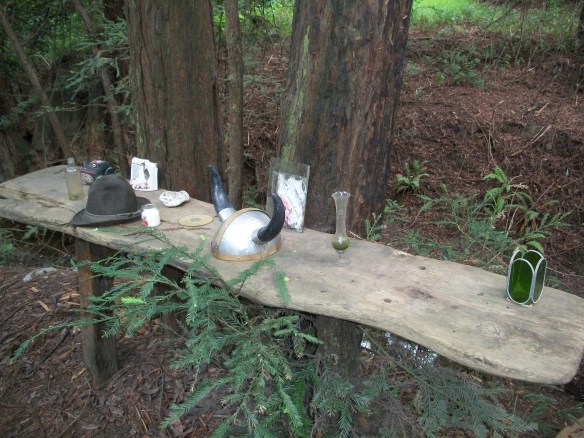
I visited Canyon in early May 2016, and here I present some images of this captivating community.
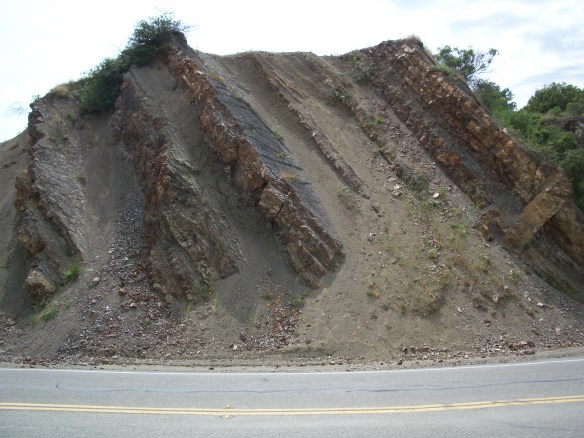
Claremont Chert, East Ridge Crest

Claremont Chert, East Ridge Crest

Upper San Leandro Reservoir
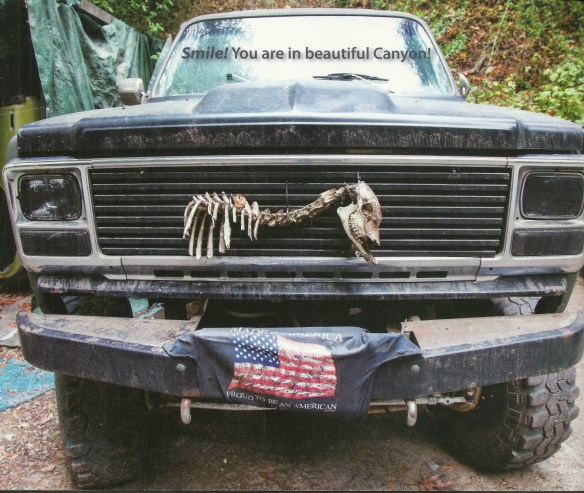
Upper San Leandro Reservoir

Canyon, Glimpses #2
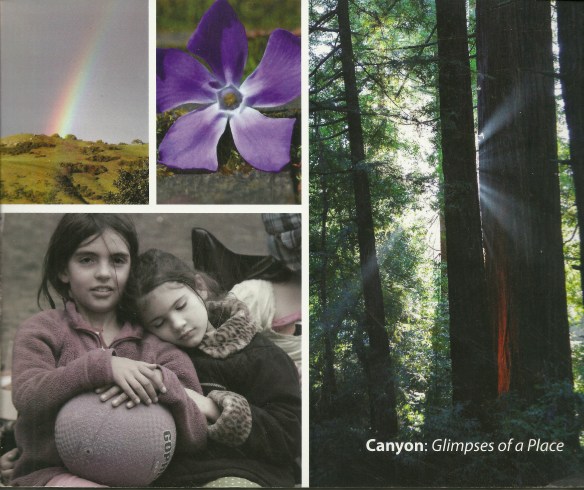
Canyon, Glimpses #2

Canyon, Glimpses #1

Canyon, Glimpses #1

“Canyon, Glimpses #1” and “Canyon, Glimpses #2” are taken from the book Canyon: Glimpses of a Place, assembled and edited by Eric Peterson and Esperanza Pratt Surls, which includes photos by: Eric Peterson, Esperanza Pratt Surls, Roy Gilbert, Louise Pratt, Elena Tyrrell, Eve Livingston, Egl Batchelor, Evan Johnson, Gina Gaiser, Jeanne Lorenz, Forrest Gilbert and Aeriel Guy. This book was produced to raise funds for the Canyon School’s Eighth Grade Class Trip to Costa Rica, in May 2016 (and there’s always following years’ trips to pay for). This 60 page book has 148 photographs (127 in color, 21 in black & white). Copies may still be available ($20, plus shipping and postage) at the Canyon School [P.O. Box 187, Pinehurst Road, Canyon, CA 94516, Phone: (925) 376-4671, Fax: (925) 376-2343]. It’s nice.

Canyon School, from Railroad Grade

Canyon School, from Railroad Grade

Canyon - water system, and relic truck

Canyon – water system, and relic truck
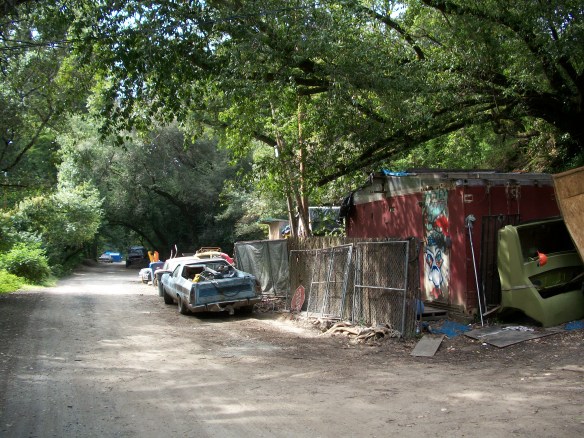
Canyon - NW along Railroad Grade #1

Northwest along the Railroad Grade, #1
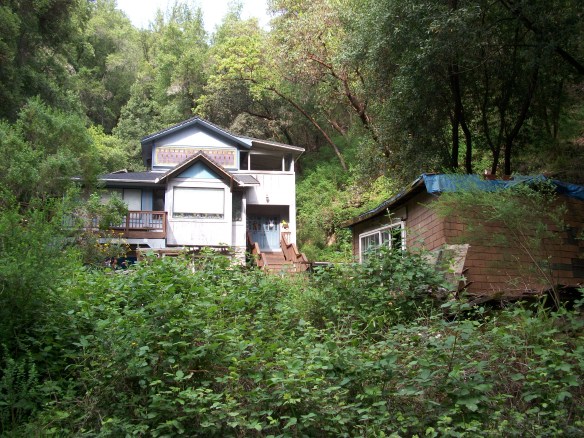
Canyon residence #1

Canyon, residence #1

Canyon, a garden #1

Canyon, garden #1

Canyon - NW along Railroad Grade #2

Northwest along the Railroad Grade, #2

Canyon residence #2

Canyon, residence #2

Canyon, a garden #3

Canyon, garden #2

Canyon - Charles Stanley Martin

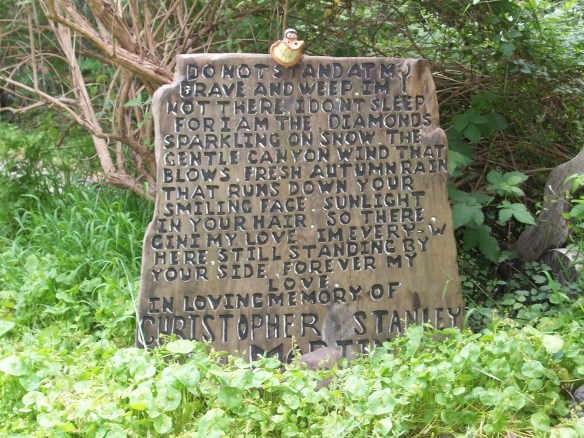
Christopher Stanley Martin, remembered
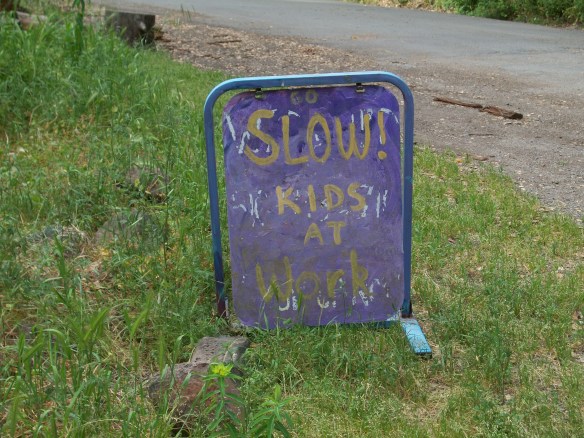
Canyon - Adults at Play

Canyon – Adults at Play

Canyon - Smile

How can you not?

Canyon - relics by the Post Office

Canyon – Relics

Canyon, retired road warriors

Canyon School, vine loves wheel

Canyon, a vine embraces the wheel

Canyon School, creekside
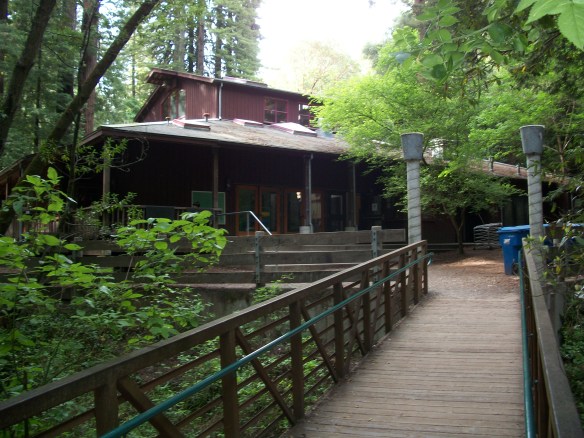
Canyon School, creekside

Canyon School (new one, built 1992)

Canyon School

Canyon School, swings with sprinkler

Canyon – swings with sprinkler

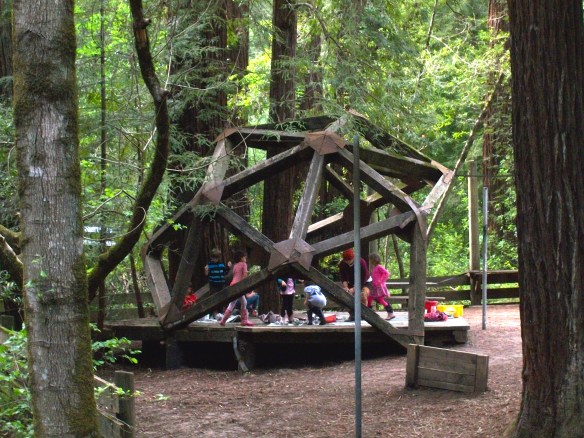
Canyon School kids' geodesic dome #2

Canyon School geodesic dome, #1

Site 8, as previous

Canyon School geodesic dome, #2

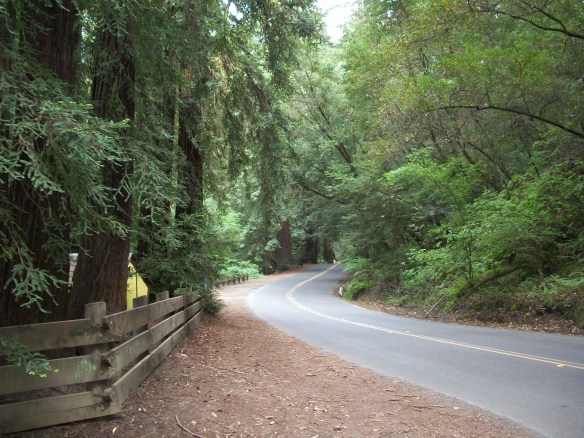
Canyon - Pinehurst Road SW

Canyon – Pinehurst Road, southeast

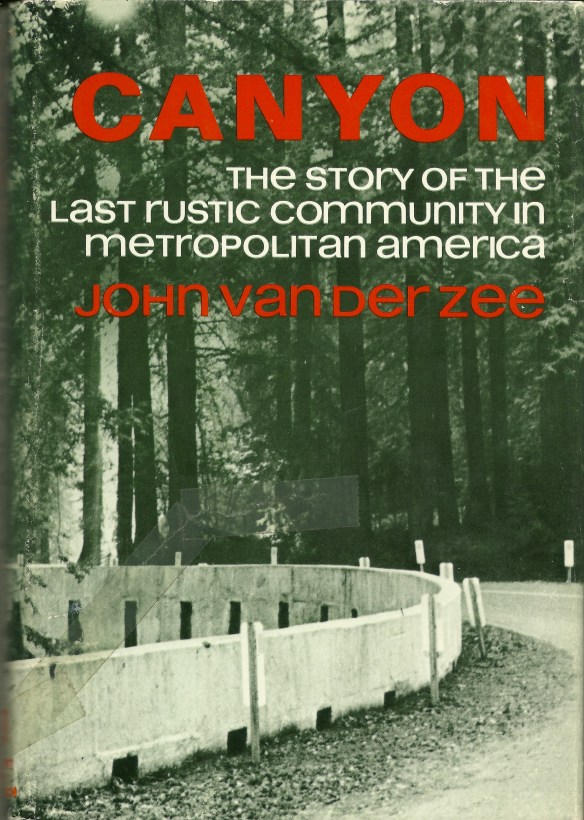
Canyon, John van der Zee #1

John van der Zee’s book about Canyon, #1

Canyon, John van der Zee #2

John van der Zee’s book about Canyon, #2

Canyon, John van der Zee #3

John van der Zee’s book about Canyon, #3

Canyon, John van der Zee #4

John van der Zee’s book about Canyon, #4

Canyon: The Story of the Last Rustic Community in Metropolitan America
John van der Zee
Harcourt Brace Jovanovich, Inc., New York
Copyright 1971, 1972 by John van der Zee
ISBN 0-15-115400-7
Library of Congress Catalog Card Number: 70-174516

John van der Zee’s book about Canyon reminds me that the hopes and ideals I had — 45 years ago — about community, ecology, efficiency, and “right living” in balance with nature, have yet to be recognized, let alone realized, in our America of mindless and wasteful consumption, the economic bullying called gentrification, the sacrifice of human dignity and lives over the obsession to accumulate money, and the denial of responsibility for climate change. Canyon, I’m sure, is objectively far from perfect, but the spirit animating it is undeniably enchanting.
 

Variation of Parameters

My beautiful picture

Perhaps it was a change in the weather
that caused things to happen.
I remember warm winds
blowing up from the south in early spring,
and yellow moons in blue glazed nights.
The melting of the cell phones was first.
Overnight,
they were just frozen puddles of plastic and metal,
nothing seen, no heat felt,
just stone-cold carbonized slag heaps
in their hundred millions.
None have been made since –
they all dissolve –
as if the very form, even the concept
had been banished by some capricious god.
Soon after, every fifth spark plug failed,
crankshafts and turbine blades
inexplicably disintegrate.
No cause can be found, no process observed,
large gasoline motors rarely run, now,
there was much fearful whispering about gremlins.
Still, we all adjusted reasonably soon,
and then the great shock arrived –
all the money disappeared.
One morning,
no account could be found with a balance,
all bills showed zero totals,
all currency had vanished.
Everyone is penniless and free of debt,
work has no pay, selling has no buyers –
no obligations, no inducements.
At first, there was chaos, riots, death,
many went insane or took their lives,
“He’s gone back to look for his money,”
we say now –
our phrase for the departed.
Yet, soon enough, most people found occupations,
either from habit, inclination,
or simply to shake off boredom,
like a group of children
picking through a pile of costumes
to take on roles in a game.
In this game, we trade
for food, for our chores, for our entertainment.
With so much use of time,
and no easy accounting,
no one can accumulate
beyond the stores for a winter.
Our leaders bemoan the fall of civilization,
and, as they are ignored,
it must be so.
Our evangelicals howl in ecstasy,
dancing naked around bonfires through the night.
The children are delighted,
now, with so many schools close by,
and always elders, and relatives in attendance
along with their teachers,
so joyous, compared to what now seems imprisonment
in the old moneyed days.
I think it is the learning joy of children everywhere
that makes one feel as if always walking in a village,
even as it stretches between the oceans.
The young easily try on any role,
experimenting with great fervor,
adding such sparkle to the daily routines,
and reminding us to keep our perspective,
for they can leave without notice
for vacations of unknown length,
to satisfy the needs of the spirit.
Yet, in this ebb and flow,
all social needs are filled,
like the hollows children dig out at the beach;
our social lives are smoothed
by the washing of tides from an unseen ocean.
While the fortunes of many have tumbled,
most have tasted liberation, by now,
and those who have lost are left to their own devices.
Shortly after the money left,
the wars erupted – somebody had to pay.
By two years the shooting sputtered to a halt,
all the bullets were turning out to be duds –
plutonium turned to salt, rockets crumbled to powder –
and so they remain.
No explanations.
Our armies are helpless, vulnerable,
unable to attack, and unassailable.
The great migrations began when the guns died,
but soon quelled
when gold was found dissolved in the oceans,
and laced through the sand underfoot.
It is so common, now, it is worthless,
though most beautiful,
and a warm metal to replace broken teeth.
And so, we live under a mysterious power
we cannot explain.
We are people with a broken history
and a continuously randomized future,
liberated from our parallel lives of isolation,
and the apprehension of survival.
Around here, we each hoe our gardens
while spending long afternoons watching clouds curl,
or walking into town to carry home a gallon of milk.
Just this afternoon,
I heard the pub switched from sports on TV to poetry –
for a change.
Maybe I’ll go down and have a few, tonight.

17 February 2003

Renewal

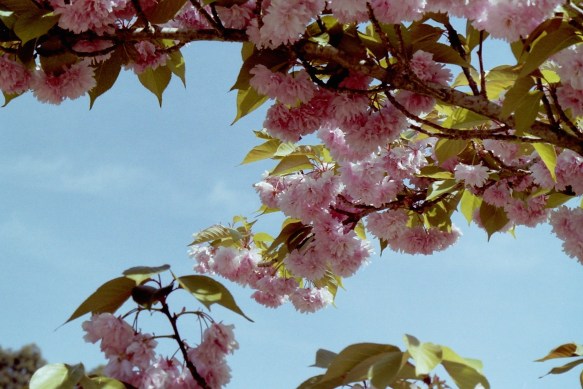
My beautiful picture

Renewal

The cherry blossoms have been unfurled for over two weeks now, and they are beginning to flutter down like snowflakes illuminated by sunlight with each gusty wind. Two Robin males scuffled in an oak, quivering the leaves and then dropping as a roiling mass to the ground, sweeping out clouds of dust with furious wingbeats till one bird shot into flight and away, and a satisfied female Robin glided from her viewing perch to join her victorious mate. The hummingbird chicks have already fledged. Crickets and frogs sing after dusk and well into the night; and showers fall gently like velvet curtains that soon lift, unveiling a crisp brilliant world. The days are longer, the sun is warmer, the air soft and perfumed; it is spring.

Despite the crises of humanity, and despite our own urgencies and preoccupations, Nature cycles majestically on, renewing itself at every moment and in every gesture, oblivious to our preferences. The streams swollen with spring meltwater or the runoff of spring showers carry the weathered chaff of mountains down to the sea, slowly feeding the creation of future rocks from the destruction of older ones. The warming earth slowly exhales organic vapors once trapped in frozen ground or as living plant matter, even as new shoots and blossoms emerge. Nature is an entwinement of cycles in continuous change, a completely dynamic reality that has no static state nor time of pause, however calm it may momentarily seem to us. “You cannot step twice into the same river,” said Heraclitus (c. 535 – c. 475 BC), and so it is with the continuous flow of reality. The only constancies in Nature are the processes that cycle matter, energy, and life through the evolving sequence of forms manifested as the universe we perceive.

Every now and then it is good for us to break the spell of our everyday preoccupations, the “ten thousand and one things” that distract us from seeing fundamental reality, the “Māyā” as it is called in Sanskrit, and simply feel our connection to the authenticity behind all our abstractions. Despite our ephemeral externalities, like our financial situation, the amount of marriage counseling we’ve been assessed as needing, the love or indifference of our children, our degree or lack of employment, “whatever” (the epithet for understanding, these days), we embody Nature and thus the only eternity that has actual meaning. “Man is something Nature is doing,” Alan Watts (1915-1973) said in one of his lectures, and remembering that can help you to renew your outlook and produce your own attitudinal spring to counter the psychological gravity of our very imperfect and probably terminal global civilization.

Our externalities will soon enough fade away, and even our bodies will fall apart, ultimately exhaling our consciousness back into the churning void that continuously erupts matter, energy, and life as the Nature we are immersed in and express while visibly alive. During our time as flashes of life we can make our radiance sparkle instead of fading as a monotonous glow, by renewing our minds in ways that are simple and have long been obvious. In our obsessively acquisitive and unfairly competitive political economies, we can find someone to love by being faithful and caring, we can find trusting friends by being trustworthy, we can see some improvement in social conditions by resisting participation in schemes and occupations that are parasitic, mean-spirited, and dehumanizing. We can come upon beauty to enjoy by devoting time to the crafting of thoughtful and beautiful things and motions. We can be courteous, honest, and honorable despite their competitive disadvantages.

It is impossible to live without moral compromise in our civilization since so much of gainful employment involves exploitation of people and Nature, so we must forgive ourselves of our own sins and refuse judgments and guilt cast by others, but we must also make it a matter of personal honor to see that our actions propagate as little harm as we can manage. Attitude is character, and as Novalis said in his paraphrase of Heraclitus, “character is fate.” We experience a life that reflects the attitudes we express.

This ramble is not to be taken as a sermon cataloging a list of do’s and don’ts, but as an invitation to let the conscious part of you have a renewing spring regularly, just as the unconscious part, along with all of Nature, renew themselves on so many timescales with so many cycles: the beating of your heart, daily with the cock crowing, monthly with the Moon’s cool light, yearly with Spring’s resurrection of life; or at any sudden moment when you choose to empty the mind, dispel the Māyā, and actually experience life by sensing your breath.

<><><><><><><>

Originally published:

Renewal
8 April 2012
http://www.swans.com/library/art18/mgarci45.html

Poo-Tee-Weet (Happy Easter)
9 April 2012
https://manuelgarciajr.com/2012/04/09/poo-tee-weet-happy-easter/

<><><><><><><>

Photos by MG,Jr. at Flickr

I have begun posting my photos online at Flickr. These photos appear serially as a chronological “photostream” in one page of my photo blog at Flickr. However, I like them best grouped into albums, and the link shown at the bottom takes you directly to my album-listing webpage at Flickr (you can get to my “photostream,” “favorites” and other Flickr pages from there). Once an album is selected and open, click the slideshow button (arrow in upper right) for nice full-screen viewing at a good pace.

Flickr is another social media website, like WordPress, YouTube and Facebook, so I leave it to you to wrestle with the navigation there. I decided to post my photos at Flickr because it allows for public access viewing (anonymity for you) and because it functions quite well (and is very popular with photographers).

Finally, Flickr has informed me that my photos (and presence) at Flickr are considered “safe,” which is to say there are no nude women (or men), no: cruelty, disgust, repulsion or sex (well). I rant and rave often enough in my writings, but in my photography I seek engaging color and action, a sunny sense of enjoyment, a sense of tranquility, and a satisfying appreciation of reality. I enjoy taking photos.

Manuel Garcia, Jr. (“juanfulanogarcia”) at Flickr
https://www.flickr.com/photos/138500512@N05/albums

<><><><><><><>

Hello Void, A Thanksgiving Message

<><><><><><><><><><><><><><><><><><><><><><><><><><><><><><><><>

This is a country of very ignorant selfish people who are being exploited by very smart selfish people. I can’t do anything to change that, but I don’t have to help it along, either. I can forgo getting the best possible deal at the lowest possible price with the least amount of thought.

I don’t talk politics during the holiday season, at family gatherings, or basically ever. People believe what they want to believe, and facts don’t matter. Challenging people’s beliefs only upsets them and drives them into bunkers of defensiveness. By adolescence, people don’t change, certainly not because of what others tell them. Any change of thinking and attitude is purely a result of responding to life’s traumatic experiences, and such change is rare even when the traumas are regular.

All talk of universal cooperativeness: world socialism, population control, decarbonizing industrialization to prevent climate change, and similar visions of worldwide social justice and economic equity are fantasies never to be achieved. Individual selfishness will always trump social responsibility, satisfying immediate desires will always trump achieving long-term social improvement, confident willful ignorance will always stymie hesitant and deliberate thoughtfulness and understanding.

The fear for human extinction caused by climate change, overpopulation and nuclear war, which is increasingly expressed by intelligent, socially conscious long-range thinkers, is beyond permanent relief. This fear springs from a deep-seated belief that humanity must endure eternally, that it cannot be allowed to pass away. But why? The history of life on earth is one of species emerging, evolving and fading away. Extinction is the rule, the average lifespan of species on earth is a few million years.

A human lifetime is too brief an instant for any individual to have any impact on the course of humanity’s drift toward extinction. It is true that some individuals find themselves in positions of immense temporal power and are able to initiate, or halt, genocidal events. However, the power to cause rapid human extinction is beyond any single individual. The intentional rapid extinction of humanity requires the cooperative madness of many individuals engaged in launching the world’s stockpile of nuclear weapons in one apocalyptic world war. Individual selfishness is one deterrent to the selfless cooperative attainment of this radioactive crescendo of extinction.

A better response by socially conscious people, to the realization of humanity’s drift toward extinction as a mass of insular selfish individuals ensconced in their little logic and fantasy bubbles that are opaque beyond close-in personal horizons, is to make their face-to-face interactions as compassionate, honest, honorable and calming as is reasonable given the circumstances. Obviously, sometimes conflict is necessary and right, but one tries to minimize that. This is “being peace” as Thich Nhat Hanh has written about so eloquently.

You as a living experience are peace for your own well being in the here and now, and as a socially conscious expression of solidarity with whatever individual human being you are dealing with at the moment, because you recognize the same spirit of life in them as in you, and because you realize that every other person is a bundle of largely unseen and unknowable mental fears and psychological conflicts – just as you have, largely unseen by the rest of humanity.

Be peace because that is what you can do. Forget about saving humanity, you can’t do it, it can’t be done, and it doesn’t matter. Before you were here, while you are here, and after you are gone, the universe is.

<><><><><><><>

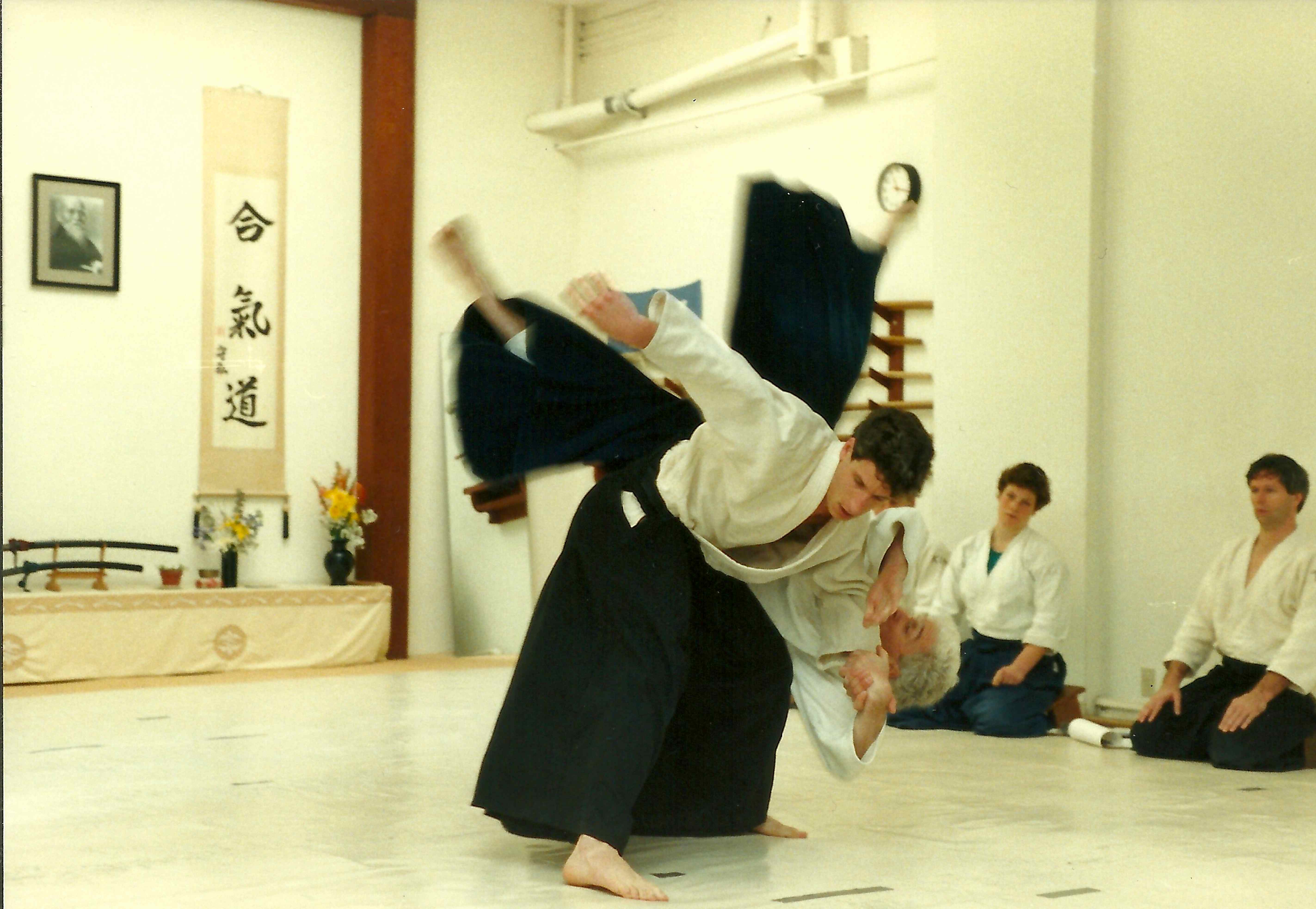
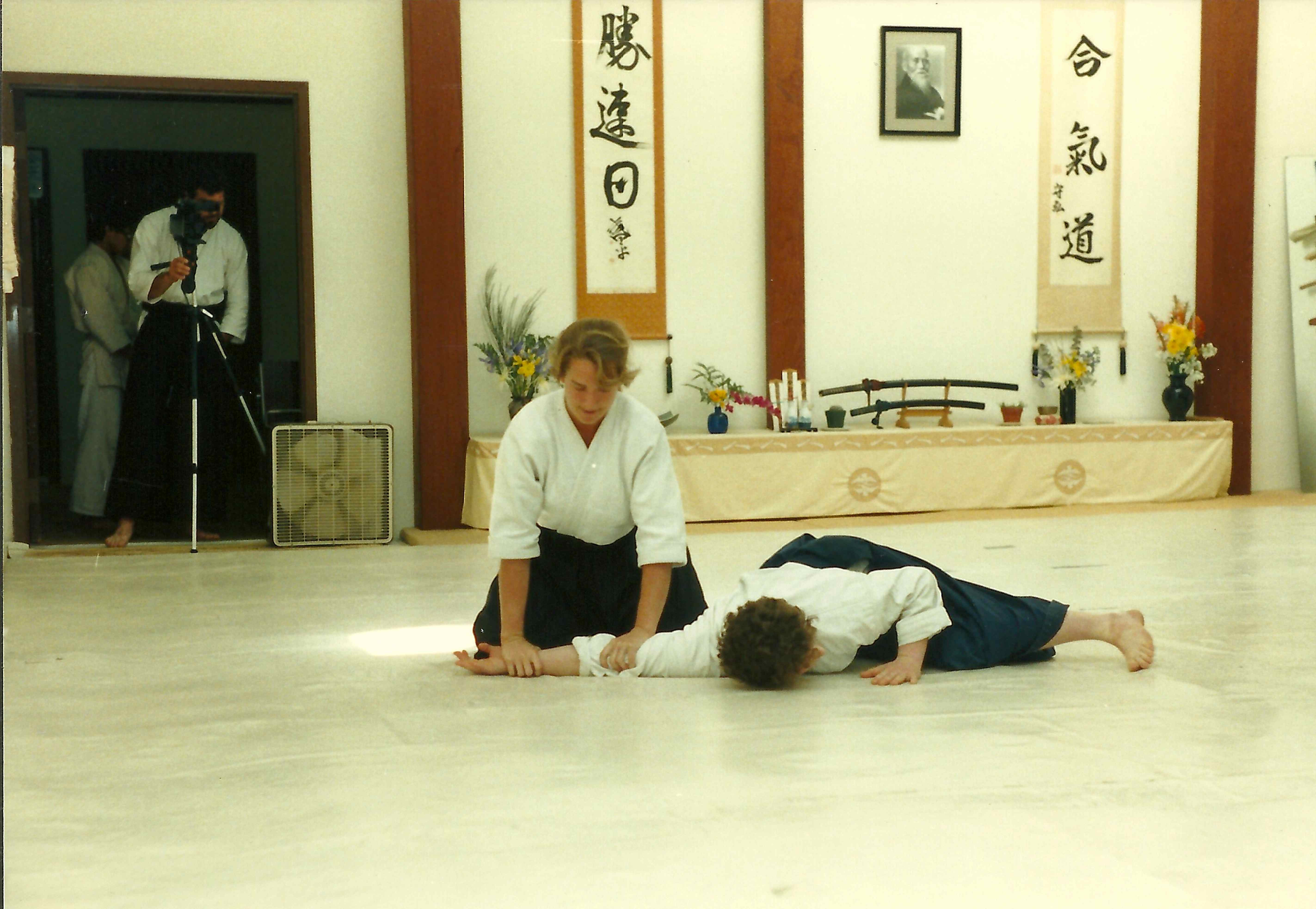
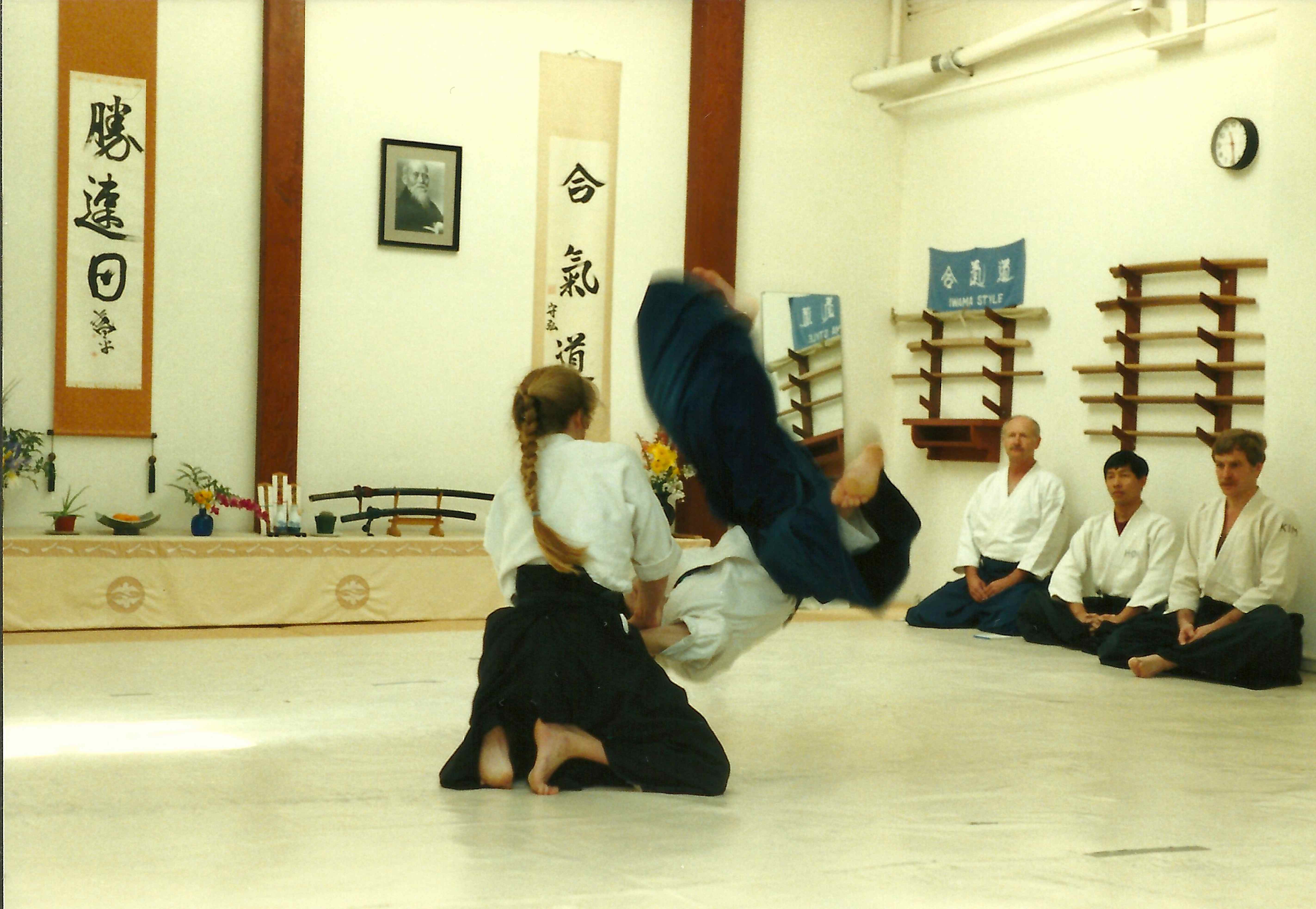
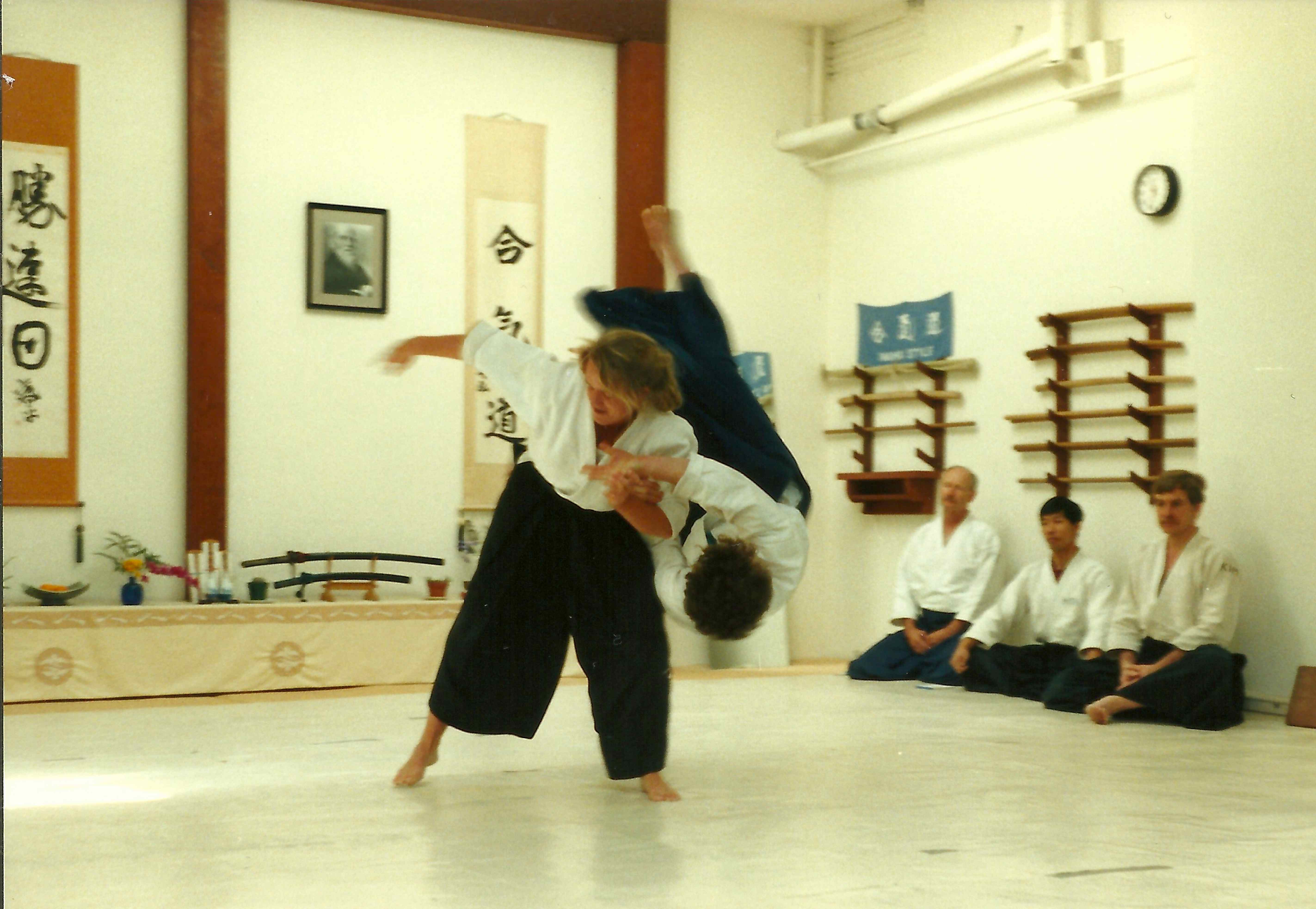
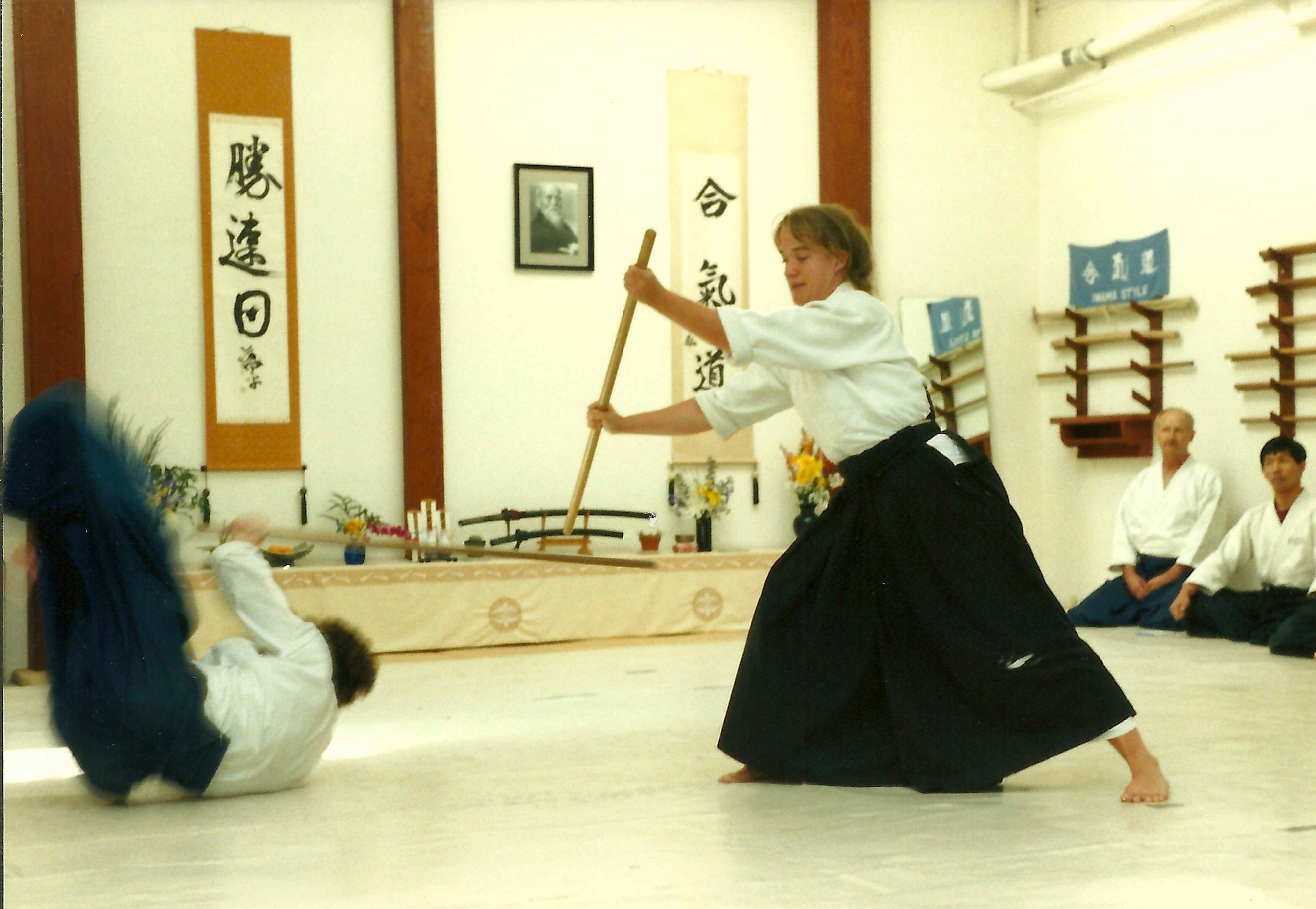
Peter Slote, Aikido

Aikido 2nd degree black belt (Nidan) test
at the Aikido Institute, Oakland, California, on 13 March 1988.

Peter Slote
(falls by John Clarke)

Panel (left to right):
Frank Doran, Hoa Newens, Kim Peuser, Kayla Feder, Tom Gambell

Peter Slote is currently a 4th degree black belt in aikido.

Slote1Slote2Slote3Slote4Technical details of original photographs:
Minolta XE7 (35mm SLR camera) with 50mm f1.7 lens
ASA 400 Kodak color print film
45 degree (up) bounce flash, synched at 1/90 second
Minolta 128 Flash in auto mode, for 50 foot distance
aperture set between f2.8 and f4
action (depth of field) at 25 feet, (+5, -10)
exposures from flash and existing light are comparable in each frame
handheld

See Peter in action as uke for Hoa Newens or Kim Peuser in many of these 1989 videos:

Hoa Newens, Aikido 1 to Aikido 8:
http://youtu.be/qxVLTfkGMLM
http://youtu.be/D3wgu08aggE
http://youtu.be/oJb6PZ_bKNE
http://youtu.be/AEuPYrCvNTo
http://youtu.be/jfLBShFOI9w
http://youtu.be/Szhmd7fHMtI
http://youtu.be/r7Yn6-oWHXM
http://youtu.be/yjwBlX6fSNA

Kim Peuser, Aikido 9
http://youtu.be/CZOqeXkNYCw

Hoa Newens, Aikido 10 to Aikido 12
http://youtu.be/9Vh83maR0oc
http://youtu.be/mPNz7bA8eFw
http://youtu.be/0NYwc6iAojU

Mary Elizabeth (Beth) Hall, Aikido

Aikido 2nd degree black belt (Nidan) test
at the Aikido Institute, Oakland, California, on 13 March 1988.

Mary Elizabeth (Beth) Hall
(falls by Kayla Feder)

Panel (left to right):
Frank Doran, Hoa Newens, Kim Peuser, Kayla Feder, Tom Gambell

Seen in doorway with video camera:
Mark Miller, and Trung Dinh (behind).

Seen in randori:
Cyndy Hayashi (left), Deborah Maizels (airborne), unknown (behind Beth)

Beth Hall is currently a 4th degree black belt in aikido.

Beth1

Beth2Beth3Beth4Beth5Beth6Beth7Beth8Beth9Beth10Beth11Beth12
Technical details of original photographs:
Minolta XE7 (35mm SLR camera) with 50 mm f1.7 lens
ASA 400 Kodak color print film
45 degree (up) bounce flash, synched at 1/90 second
Minolta 128 Flash in auto mode, for 50 foot distance
aperture set between f2.8 and f4
action (depth of field) at 25 feet, (+5, -10)
exposures from flash and existing light are comparable in each frame
handheld

See Beth in action as uke for Hoa Newens or Kim Peuser in many of these 1989 videos:

Hoa Newens, Aikido 1 to Aikido 8:
http://youtu.be/qxVLTfkGMLM
http://youtu.be/D3wgu08aggE
http://youtu.be/oJb6PZ_bKNE
http://youtu.be/AEuPYrCvNTo
http://youtu.be/jfLBShFOI9w
http://youtu.be/Szhmd7fHMtI
http://youtu.be/r7Yn6-oWHXM
http://youtu.be/yjwBlX6fSNA

Kim Peuser, Aikido 9
http://youtu.be/CZOqeXkNYCw

Hoa Newens, Aikido 10 to Aikido 12
http://youtu.be/9Vh83maR0oc
http://youtu.be/mPNz7bA8eFw
http://youtu.be/0NYwc6iAojU